
Cost of Living in Panama (2026): Guide for Americans Thinking About Moving
Thinking about moving to Panama? One of the first questions you'll ask is: "How much does it actually cost to live there?" The good news is that for many Americans, Panama offers an exceptional quality of life at a lower overall cost than many cities in the United States without sacrificing modern comforts.
Whether you're planning to retire, work remotely, invest in real estate, or relocate with your family, understanding the cost of living in Panama is an essential first step. In this guide, we'll break down the major expenses, compare Panama to the United States, and help you determine whether Panama is the right fit for your lifestyle.
Why More Americans Are Choosing Panama?
Every year, thousands of Americans decide to relocate to Panama, and it's easy to understand why.
Panama combines political and economic stability, the U.S. Dollar as its official currency, modern infrastructure, excellent healthcare, and one of the most attractive residency programs in Latin America. It consistently ranks among the world's top retirement destinations and continues to attract investors, entrepreneurs, and remote workers looking for a better quality of life.
But perhaps the biggest surprise for newcomers isn't just the lower cost of living—it's the lifestyle.

A Lifestyle Where Nature and Opportunity Come Together
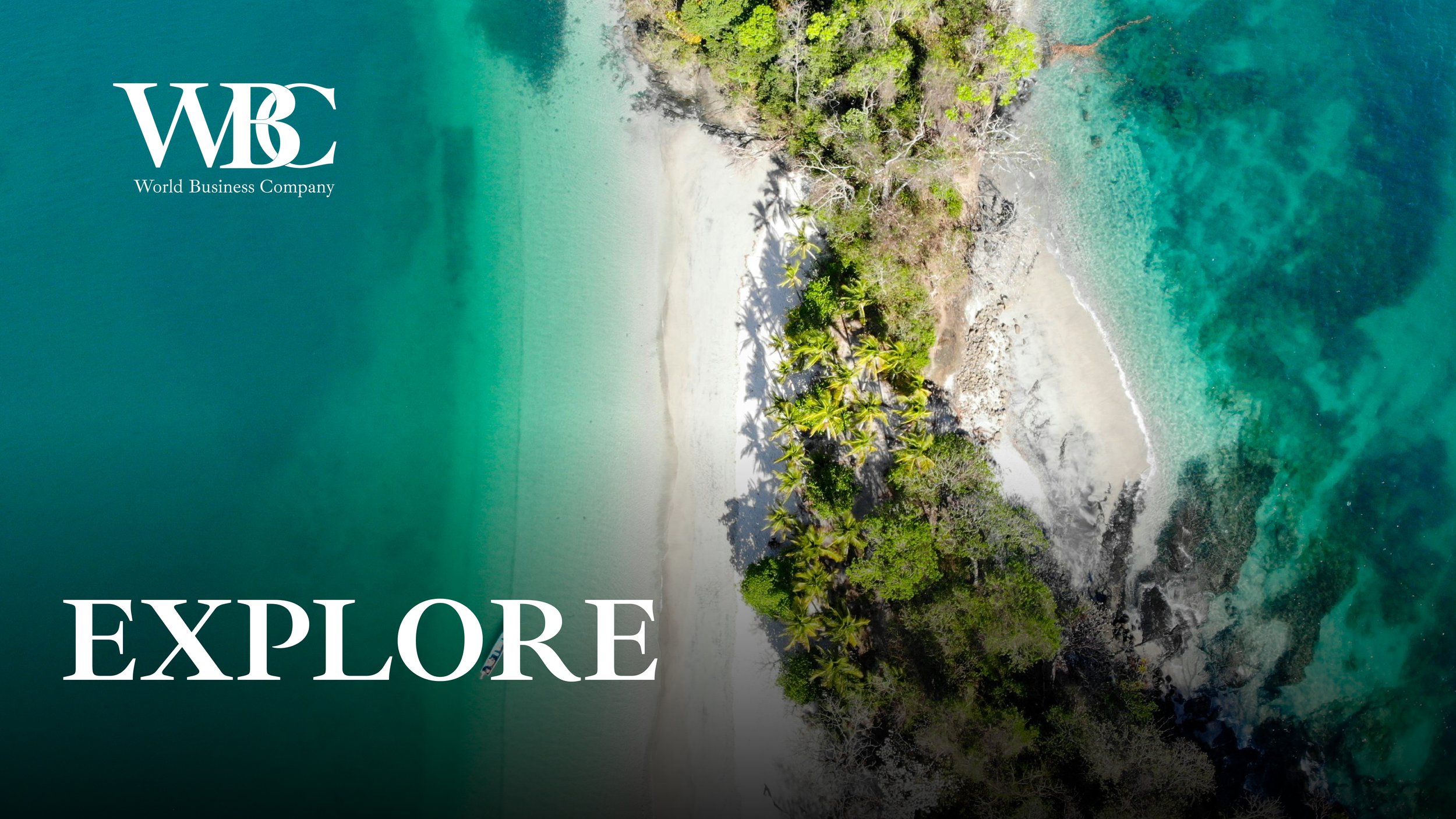
Imagine starting your morning with a freshly brewed cup of world-famous Geisha coffee while overlooking the lush mountains of Chiriquí. Two hours later, you could be relaxing at your beachfront property on Panama's Pacific Coast. A couple of hours after that, you might find yourself in Panama City attending a business meeting in one of Latin America's most important financial centers. Few countries offer this level of diversity within such short travel distances.
Whether you dream of mountain living, ocean views, or vibrant city life, Panama allows you to enjoy all three without spending hours traveling. For many Americans, this balance between nature, convenience, and opportunity becomes one of the biggest reasons they choose to stay.
Living in Panama isn't simply about spending less money. It's about living better.
Is Panama Really Less Expensive Than the United States?
The answer depends on your lifestyle.
If you expect to maintain exactly the same purchasing habits you had in the U.S.—buying imported products, dining at international restaurants several times a week, and living in luxury neighborhoods—your savings may be smaller.
However, if you're willing to embrace local products, shop at neighborhood markets, and enjoy everything Panama naturally offers, many Americans find they can reduce their monthly expenses while improving their quality of life. Community discussions among expats often highlight that Panama is "better value" rather than simply "cheap," especially because imported goods and luxury lifestyles can still be expensive.
Average Monthly Budget in Panama
Your monthly expenses will depend on where you choose to live and your preferred lifestyle.
As a general guideline:
A single professional can often live comfortably on a moderate monthly budget. A retired couple typically enjoys an excellent lifestyle with lower expenses than in many U.S. cities. Families usually spend more due to larger housing, education, and transportation needs.
While everyone's lifestyle is different, the following estimates provide a realistic starting point for Americans planning a move to Panama.
Lifestyle and Estimated Monthly Budget (USD)
Single Person $1,400 – $2,200
Couple $2,200 – $3,500
Retired Couple $2,000 – $3,200
Family of Four $3,500 – $5,500+
Your biggest expense will typically be housing, followed by groceries, transportation, and healthcare. Living outside Panama City can significantly reduce your monthly expenses.
Housing Costs
Housing is often where Americans notice the greatest difference. Panama offers options ranging from modern luxury apartments to beachfront homes and mountain retreats.
Popular locations include:
Panama City
The country's financial center offers luxury condominiums, modern office buildings, shopping malls, and excellent healthcare. Modern apartments in neighborhoods like San Francisco, Bella Vista, El Cangrejo, and Costa del Este typically range between:1-Bedroom Apartment:$800–$1,500/month (approx.)
2-Bedroom Apartment:$1,200–$2,200/month (approx.)
Luxury Condos:$2,500+/month (approx.)
Boquete
Known for its cooler mountain climate and world-famous coffee plantations, Boquete is consistently ranked among the best retirement destinations in Latin America. Its relaxed atmosphere attracts retirees, remote workers, and nature lovers.Known for its mountain climate and retirement community.
1-Bedroom Apartment:$600–$900/month (approx.)
2–3 Bedroom Home:$900–$1,500/month (approx.)
Coronado
Located just over an hour from Panama City, Coronado offers a beach lifestyle with supermarkets, hospitals, restaurants, golf courses, and an active expat community.One of Panama's most popular beach communities.
Apartment:$800–$1,500/month (approx.)
Beach House:$1,500–$3,000+/month (approx.)
David
Panama's second-largest city provides excellent healthcare, shopping, and lower housing costs while remaining close to beaches and mountains.Panama's second-largest city offers excellent value.
Apartment:$500–$900/month (approx.)
House:$700–$1,300/month (approx.)
Pedasí
Perfect for those seeking a peaceful coastal lifestyle with boutique restaurants, fishing, surfing, and beautiful beaches.A favorite among retirees seeking a quiet coastal lifestyle.
Apartment:$600–$1,000/month (aprox.)
Home:$900–$1,800/month (aprox.)
Rental prices vary by location, amenities, and proximity to the beach or city center.
Grocery Costs
Grocery expenses vary depending on where you shop. Local fruits, vegetables, seafood, poultry, and beef are generally affordable and widely available. Many expats discover that buying local not only reduces expenses but also encourages a healthier diet based on fresh ingredients.
A couple shopping primarily for local products can expect to spend approximately:
Budget-conscious: $300–$450/month
Comfortable lifestyle: $500–$700/month
Premium imported products: $800–$1,200+/month
Imported American brands are generally more expensive, while fresh local fruits, vegetables, seafood, chicken, and beef offer excellent value.
Dining Out
Panama offers dining options for every budget.
Typical prices include:
Local restaurant ("Fonda"): $5–8
Casual restaurant: $10–20
Mid-range dinner for two: $45–70
Specialty coffee: $3–5
Domestic beer: $2–4
Whether you're enjoying fresh seafood on the Pacific coast or dining in Panama City's vibrant restaurant scene, eating out remains affordable compared to many U.S. cities. Enjoy fresh seafood, steak, sushi, Italian cuisine, or local dishes, Panama has an increasingly diverse culinary scene.
Healthcare Costs
Healthcare is one of Panama's strongest advantages. Many doctors have received training in the United States or Europe, and private hospitals in Panama City offer modern facilities with internationally recognized standards. Routine consultations, laboratory work, dental care, and many medical procedures often cost significantly less than in the United States.
One of the biggest reasons retirees choose Panama is affordable private healthcare.
Typical costs include:
General practitioner visit: $30–60
Specialist consultation: $50–100
Dental cleaning: $40–80
Private health insurance (individual): $100–300/month
Private health insurance (couple): $250–600/month
Many Americans are surprised to find they can receive high-quality medical care at a fraction of what they paid in the United States.
Transportation
Transportation is both convenient and affordable.
Typical monthly expenses include:
Metro ride: $0.35–0.50
Public bus: $0.25–0.75
Uber within Panama City: $3–10
Gasoline: Around $3.70–$4.70 per gallon (varies)
Monthly transportation budget: $75–250
If you live in Panama City, you may find that you don't need a car at all. Panama City's Metro is one of the most modern public transportation systems in Central America, making commuting both efficient and inexpensive.
Outside the city, owning a vehicle offers greater flexibility for exploring beaches, mountains, and rural communities.
Utilities and Internet
Utility costs vary depending on your home's size and air-conditioning usage.
Typical monthly expenses:
Electricity: $60–200
Water: $10–25
Internet (Fiber): $35–60
Mobile phone plan: $20–35
Electricity tends to increase during the hotter months if air conditioning is used extensively. High-speed fiber internet is widely available throughout Panama City and most major towns, making Panama an attractive destination for remote workers and entrepreneurs.
Entertainment and Lifestyle
One of the best things about Panama is that enjoying life doesn't have to be expensive.
Typical costs include:
Movie ticket: $7–10
Gym membership: $30–60/month
Golf (18 holes): $40–150
Domestic weekend getaway: $200–600
National park entrance: Often under $10
Many of Panama's greatest attractions—its beaches, mountains, waterfalls, and hiking trails—are inexpensive or free to enjoy. One of the biggest benefits of living in Panama is that many of the country's best experiences cost very little.
Spend your weekends:
Hiking in national parks
Visiting waterfalls
Exploring Caribbean islands
Relaxing on Pacific beaches
Playing golf
Fishing
Surfing
Enjoying local festivals
Dining outdoors year-round
Unlike many places where entertainment revolves around expensive attractions, Panama's greatest luxury is its natural beauty.
💰 Panama vs. USA: Monthly Living Costs (Approximates)
Expenses
Panama VS United States
1-Bedroom Apartment
🇵🇦 $700–1,500$ vs 🇺🇸 1,500–3,000+
Healthcare Visit
🇵🇦 $30–60 vs 🇺🇸 $150–300+
Dinner for Two
🇵🇦 $45–70 vs 🇺🇸 $80–150
Internet
🇵🇦 $35–60 vs 🇺🇸 $60–100
Monthly Utilities
🇵🇦 $80–220 vs 🇺🇸 $150–350
Hidden Costs to Consider
While Panama can be more affordable than many parts of the United States, it's important to budget for:
Immigration expenses
Health insurance
International travel
Imported goods
Vehicle ownership
Home maintenance
Legal services
Property taxes and closing costs (if purchasing real estate)
Planning ahead ensures a smooth transition and helps avoid unexpected expenses.
Is Panama a Good Value?
Absolutely. The key isn't that Panama is "cheap." The real advantage is value.
For many Americans, Panama offers:
Better weather
Lower overall expenses
Modern healthcare
Beautiful natural surroundings
Stable economy
U.S. Dollar currency
Friendly communities
Attractive residency options
Instead of simply reducing expenses, Panama allows many people to improve their lifestyle.
Frequently Asked Questions
Is Panama cheaper than the United States?
In many cases, yes. Housing, healthcare, transportation, and many everyday services are often more affordable, although imported products and luxury lifestyles can still be expensive.
Can I retire comfortably in Panama?
Many retirees do exactly that, especially in communities like Boquete, Coronado, David, and Pedasí.
Is healthcare affordable?
Yes. Private healthcare is generally much less expensive than in the United States while maintaining high standards of care.
Do I need to speak Spanish?
Not necessarily. Many doctors, lawyers, and professionals speak English, particularly in Panama City and popular expat communities.
Can foreigners buy property?
Yes. Foreigners generally enjoy the same property ownership rights as Panamanian citizens, with a few exceptions for certain protected areas.
Ready to Make Panama Your New Home?
Understanding the cost of living in Panama is only the beginning.
Whether you're planning to retire, purchase a second home, invest in real estate, or relocate permanently, having experienced local professionals by your side can make all the difference.
At WBC Panama, we help Americans confidently navigate every step of the relocation process.
As your One-Stop Shop for Panama Residency and Relocation, our team provides comprehensive assistance with:
Panama Residency Applications
Retirement (Pensionado) Visas
Friendly Nations Visa
Qualified Investor Residency
Real Estate Guidance
Business Formation
Banking Assistance
Immigration Legal Services
Relocation Support
From your first consultation to the day you receive your residency, WBC Panama is committed to making your move as smooth, secure, and stress-free as possible.
Ready to start your new life in Panama? Contact WBC Panama today and discover how we can help turn your dream of living in Panama into reality.