
Buying Property in Panama (2026): Complete Guide for Foreign Buyers
Thinking about buying property in Panama? Whether you are looking for a retirement home, beachfront property, an investment apartment, a second home, or a place to live after moving from the United States, Panama offers a wide range of real estate opportunities.
Foreigners can purchase and own real estate in Panama, and property ownership is not generally limited to Panamanian citizens. However, there are important legal, tax, title, location, and due-diligence considerations that buyers should understand before signing a purchase agreement.
This guide explains how buying property in Panama works in 2026, what foreigners should know, the typical purchasing process, taxes and costs, popular locations, financing considerations, and how to approach a purchase safely.
Important: Real estate laws, taxes, exemptions, and transaction requirements can change. This article is intended as general information and should not replace advice from a qualified Panamanian real estate attorney, tax professional, or other licensed professional.
Can Foreigners Buy Property in Panama?
Yes. Foreign individuals can generally purchase and own real estate in Panama.
Property ownership is registered through Panama's Public Registry (Registro Público), which provides the legal framework for registering ownership and other rights over real estate. The Panamanian Civil Code establishes the Public Registry as the mechanism for constituting and publicizing ownership and other real rights over real estate.
This means an American, Canadian, European, or other foreign buyer can generally purchase a titled property in Panama under their own name or, depending on their circumstances and legal advice, through a Panamanian legal structure.
Are There Restrictions for Foreign Buyers?
There is an important constitutional restriction. Foreign individuals and foreign-owned legal entities cannot acquire ownership of national or private land located within 10 kilometers of Panama's international borders. The Constitution also contains specific provisions concerning the disposition of island territory.
For most buyers looking at established residential markets such as Panama City, Coronado, Boquete, David, or Pedasí, this restriction will not be the main issue. However, the exact location and title of a property should always be verified before proceeding with a purchase.
Why Are Foreigners Buying Property in Panama?
Panama attracts international buyers for several reasons.
1. Lifestyle
Panama offers a combination of tropical beaches, mountains, modern cities, islands, and small towns within a relatively compact country.
You can enjoy a morning in the mountains of Chiriquí, spend the afternoon near the Pacific coast, and be back in Panama City for a business meeting or dinner.
2. Variety of Real Estate
Buyers can find:
Modern city apartments
Beachfront condos
Mountain homes
Retirement properties
Luxury residences
Investment apartments
Commercial properties
Land
Vacation homes
New developments
Gated communities
3. International Connectivity
Panama City is a major regional business and transportation hub, with direct connections to numerous destinations in North America, Latin America, the Caribbean, and beyond.
For Americans who want a second home or retirement destination without being completely disconnected from the United States, this connectivity can be an important consideration.
4. Potential Investment Opportunities
Depending on location, property type, purchase price, rental demand, operating expenses, and market conditions, real estate can potentially be used for:
Long-term rental income
Vacation rentals where permitted
Capital appreciation
A second home
Retirement
Commercial use
A combination of personal use and investment
Real estate returns are never guaranteed, so buyers should evaluate each property individually rather than assuming that a particular market or property will appreciate.
What Types of Property Can You Buy in Panama?

1. Condos and Apartments
Apartments are particularly common in Panama City and other developed areas.
They can be attractive to buyers who want:
Security
Amenities
Swimming pools
Gyms
Parking
Maintenance services
Convenient locations
For investors, apartments can also offer potential rental opportunities.
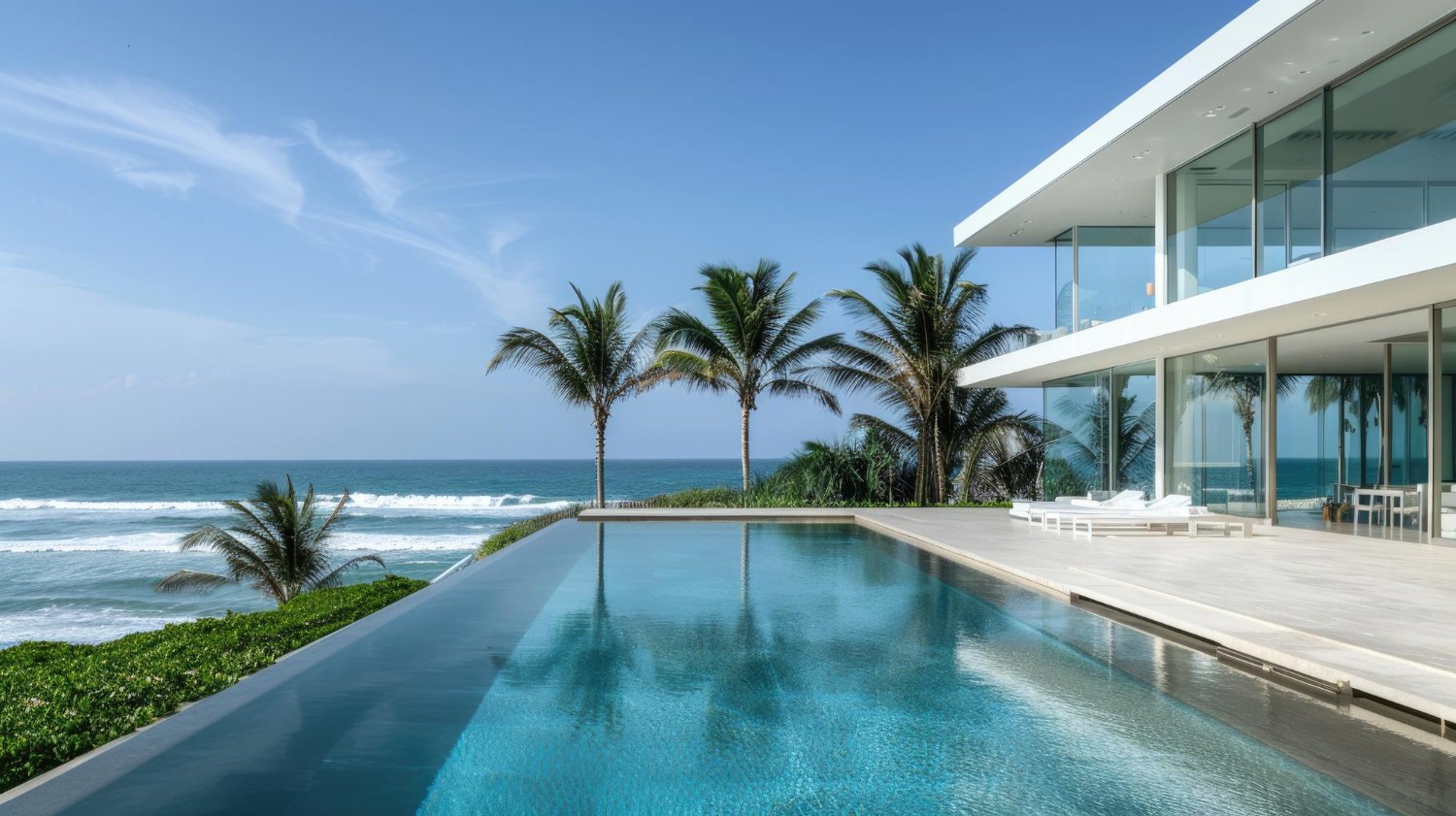
2. Beachfront Property
Panama has extensive Pacific and Caribbean coastlines.
Popular areas include:
Coronado
Punta Barco
San Carlos
Costa Pedasí
Playa Venao
Bocas del Toro
Caribbean islands and coastal communities
Beachfront properties can be appealing as vacation homes, retirement residences, or investment properties.
However, buyers should conduct additional due diligence regarding title, boundaries, access, zoning, coastal regulations, and the exact legal nature of the land.
3. Mountain Properties
Mountain destinations have become particularly attractive to retirees and lifestyle buyers.
Boquete
Known for its cooler climate, mountain scenery, gardens, restaurants, and established international community.
El Valle de Antón
Located inside a volcanic crater, El Valle offers a cooler climate and a nature-oriented lifestyle within relatively easy reach of Panama City.
Chiriquí
The broader Chiriquí region offers opportunities ranging from urban properties in David to mountain homes and rural land.
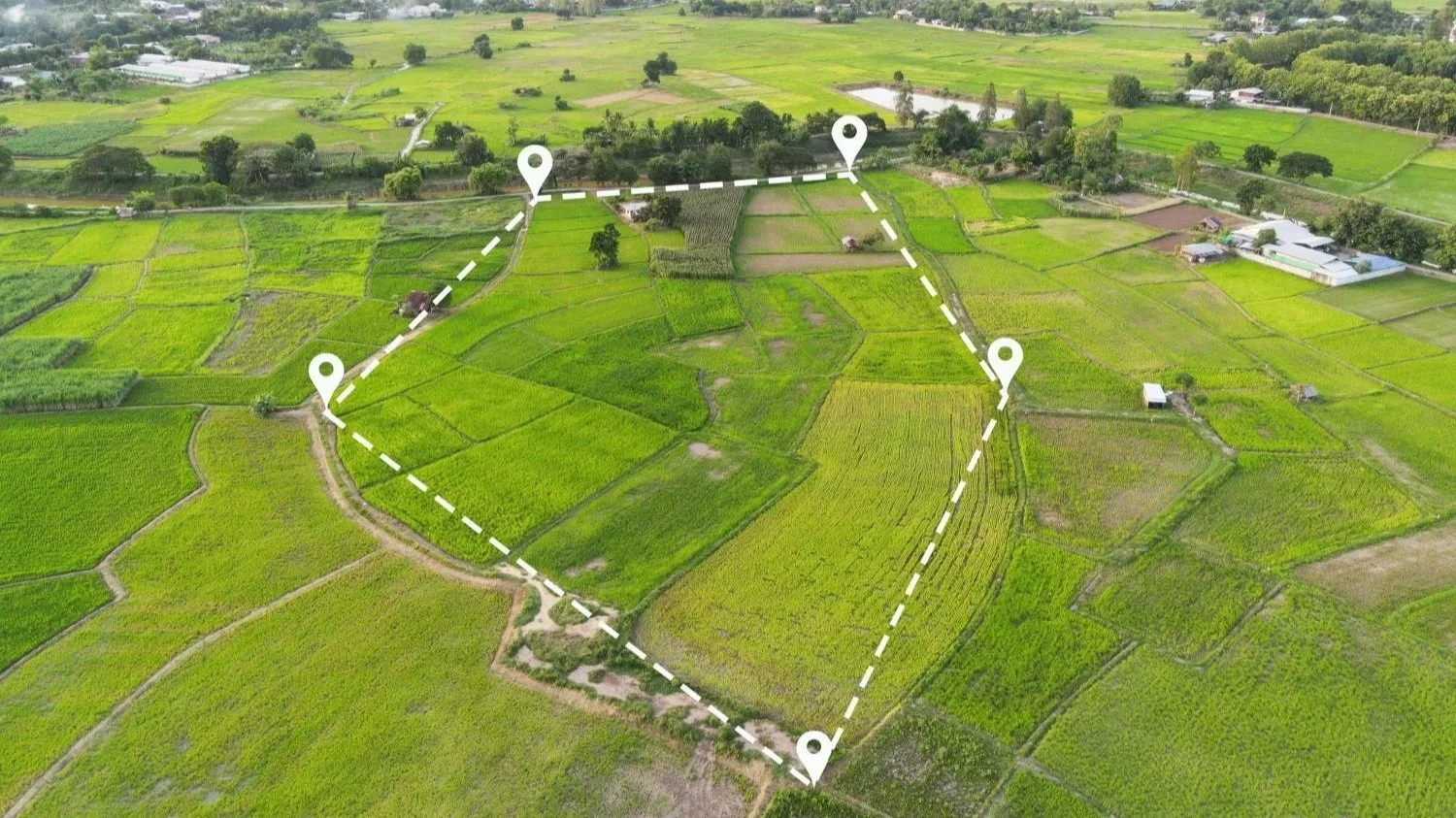
4. Land
Foreign buyers can also purchase certain types of titled land, subject to applicable restrictions.
Land purchases require especially careful due diligence because buyers need to verify:
Title
Boundaries
Access
Zoning
Land use
Utilities
Survey information
Environmental restrictions
Existing liens or encumbrances
Any restrictions affecting development
A beautiful piece of land is not necessarily a good investment if it cannot legally be developed or accessed as expected.
Best Places to Buy Property in Panama
The best location depends heavily on your objective.
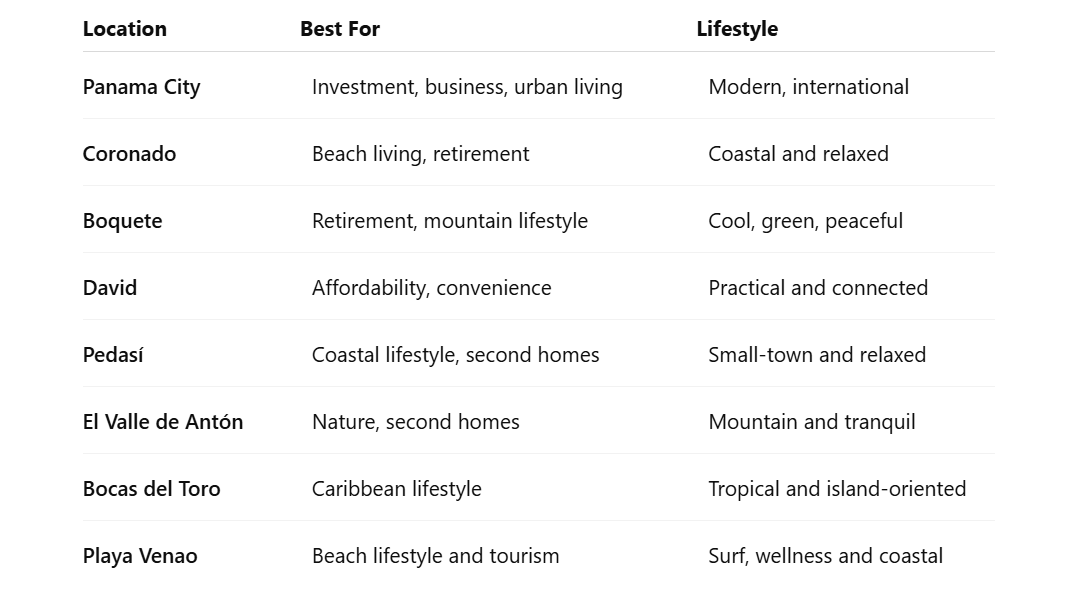
For a more detailed comparison, see our guide to the Best Places to Live in Panama and our guide to the Best Places to Retire in Panama.
How Much Does Property Cost in Panama?

Property prices vary dramatically depending on:
Location
Size
Age of the building
Ocean or mountain views
Beachfront access
Amenities
Building quality
Neighborhood
Land size
Development potential
Furnishing
Rental potential
Rather than using one national average, buyers should compare properties within the same neighborhood and property category.
Very general examples
A buyer may encounter:
Smaller apartments in developing or less central areas: approximately $80,000–$150,000+
Modern city apartments: approximately $150,000–$400,000+
Beach condos: approximately $150,000–$500,000+
Mountain homes: approximately $150,000–$500,000+
Luxury beachfront or city properties: $500,000 to several million dollars
These are broad illustrative ranges, not market valuations. Actual prices can be significantly higher or lower depending on the property.
Step-by-Step: How to Buy Property in Panama
The process is relatively straightforward when handled with proper legal and professional assistance.
Step 1: Define Your Objective
Before looking at properties, determine why you are buying.
Are you looking for:
A retirement home?
A vacation property?
A rental investment?
A second home?
A property connected to your Panama residency strategy?
Land for future development?
A commercial investment?
Your objective will influence the location, property type, financing strategy, and due diligence required.
Step 2: Choose the Right Location
Do not choose a property based only on photographs.
Spend time in the area if possible.
Consider:
Climate
Healthcare access
Airports
Restaurants
Shopping
Internet
Transportation
Schools
Community
Rental demand
Distance from Panama City
Long-term resale potential
For retirees, proximity to healthcare and daily services may be more important than being directly on the beach.
For investors, rental demand and operating costs may matter more than personal preferences.
Step 3: Work With a Qualified Real Estate Professional
A local real estate professional can help you identify properties, understand the local market, negotiate terms, and coordinate the transaction.
However, your real estate agent and your attorney serve different functions.
A real estate agent helps you find and negotiate the property.
A Panamanian real estate attorney can perform the legal due diligence and protect your interests during the transaction.
For foreign buyers, having independent legal representation is strongly recommended.
Step 4: Conduct Legal Due Diligence
This is one of the most important stages of the entire purchase.
Before committing substantial funds, your attorney should verify the property's legal status and relevant records.
Depending on the property, due diligence can include checking:
Registered owner
Property identification
Title information
Liens
Mortgages
Encumbrances
Restrictions
Property taxes
Registry information
Property boundaries
Corporate ownership, if applicable
Condominium/PH status
Outstanding obligations
Relevant permits and documentation
Panama's Public Registry provides the legal registration framework for ownership and real-property rights.
Why title verification matters
The person selling a property should have the legal authority to sell it.
The property should also be checked for registered mortgages, restrictions, liens, or other matters that could affect the transaction.
Never rely solely on the seller's description of the property.
Step 5: Review the Property Physically
Legal due diligence is only one part of the process.
You should also inspect the actual property.
For a home or apartment, consider:
Structural condition
Roof
Plumbing
Electrical systems
Air conditioning
Water pressure
Appliances
Windows and doors
Moisture
Parking
Elevators
Common areas
Building maintenance
Security systems
For land, consider:
Road access
Utilities
Topography
Drainage
Boundaries
Construction feasibility
Zoning
Environmental considerations
For expensive purchases, a professional inspection can be worthwhile.
Step 6: Make an Offer
Once you have identified the property, you can negotiate:
Purchase price
Deposit
Payment schedule
Closing date
Included furniture
Appliances
Parking spaces
Repairs
Conditions of the sale
Your attorney should review the purchase agreement before you sign it.
Step 7: Sign the Purchase Agreement
The parties may sign a purchase agreement that establishes the terms of the transaction.
Depending on the transaction, a deposit may be required.
The agreement should clearly establish matters such as:
Purchase price
Deposit
Payment terms
Property identification
Closing conditions
Responsibilities of each party
What happens if either party fails to complete the transaction
Do not transfer a substantial amount of money without understanding the contractual terms and the protection available to you.
Step 8: Complete the Closing Process
The final transaction is formalized through the appropriate legal documentation and registration process.
The Public Registry is responsible for registering ownership and other real-property rights. Under Panama's Civil Code, registrable titles generally need to be documented through a public deed, court decision, or other legally authorized authentic document.
Your attorney can coordinate the documentation, tax filings, notarial process, and registration.
Step 9: Register the Property
Registration is an essential part of the purchase process.
The Public Registry records the ownership and relevant rights associated with the property.
Your attorney should verify that the transfer has been properly completed and registered.
Do not consider the transaction finished simply because money has changed hands.
What Taxes and Costs Should Foreign Buyers Expect?
The total cost of buying property goes beyond the advertised purchase price.
Potential expenses can include:
Legal fees
Notary expenses
Public Registry fees
Property transfer tax
Real estate agent commission, depending on the agreement
Property inspection
Surveying
Bank or financing costs
Translation and document expenses
Ongoing property taxes
Homeowners' association or PH fees
The exact amount varies depending on the property and transaction.
Panama Property Transfer Tax
Panama has an Impuesto de Transferencia de Bienes Inmuebles (ITBI) associated with real estate transfers.
The DGI currently describes the standard ITBI as 2%, calculated according to the applicable tax base.
However, Panama changed the rules for certain new residential properties in 2026.
On August 31, 2026, Panama enacted Law 546, establishing an exemption from the 2% ITBI for the first sale of certain new homes valued up to B/.120,000, with progressive rates applying to specified higher price ranges under the new framework.
Because the application depends on the property, transaction, timing, and statutory conditions, buyers should have their attorney or tax professional confirm the applicable treatment before closing.
Property Taxes in Panama
Property owners may be subject to Panama's annual property tax, known as Impuesto de Inmueble.
Current DGI information lists standard rates based on the property's taxable value:
Taxable ValueStandard Property Tax RateUp to B/.30,0000%B/.30,001–B/.250,0000.60%B/.250,001–B/.500,0000.80%Over B/.500,0001.00%
Different rates and exemptions can apply to properties qualifying as a principal residence or family tax patrimony, and other exemptions may apply depending on the property.
For example, DGI information indicates that properties with a taxable value up to B/.120,000 that qualify as a family tax patrimony or principal residence can be exempt, subject to the applicable requirements.
Always verify the property's actual tax status before purchasing.
Do Foreigners Pay Property Taxes in Panama?
Yes. Property tax obligations are generally based on the property and applicable tax rules, not simply on whether the owner is Panamanian or foreign.
Foreign ownership does not automatically eliminate property taxes.
At the same time, certain exemptions may be available depending on the property's use, value, classification, and applicable legislation.
Should You Buy Property Personally or Through a Company?
A foreign buyer may purchase property personally or, depending on the circumstances, through a legal entity or other structure.
There is no single structure that is best for every buyer.
A legal structure can potentially be relevant for:
Estate planning
Asset organization
Multiple owners
Investment properties
Commercial activities
Succession planning
However, creating a company simply because someone recommends it is not necessarily appropriate.
The right structure depends on:
Your nationality
Tax residency
Property type
Investment purpose
Number of owners
Financing
Estate planning
Future sale
Rental activity
Before choosing a structure, speak with a Panamanian attorney and, where appropriate, a tax professional familiar with both Panama and your home country.
Can Buying Property Give You Panama Residency?
Buying property and obtaining residency are two separate legal matters.
However, real estate ownership can be relevant to certain Panama residency programs depending on the specific program and current requirements.
For example, Panama has residency categories that may involve qualifying real estate investment.
This is one reason it is important to decide early whether your objective is simply:
“I want to buy a home in Panama.”
or:
“I want to buy a home and establish legal residency in Panama.”
The appropriate strategy can be different.
For an overview, read our Panama Residency Guide.
Can You Buy Property Before Moving to Panama?
Yes.
You do not necessarily need to become a permanent resident before purchasing property.
This can be particularly attractive for people who want to:
Buy a second home
Purchase an investment property
Secure a retirement home
Explore Panama before relocating permanently
Invest while maintaining their current residence elsewhere
However, buying property does not automatically make you a resident or citizen of Panama.
Immigration status and property ownership are separate matters.

Buying New Construction vs. Resale Property
Both options have advantages and considerations.
New Construction
Potential advantages include:
Modern design
New appliances
New amenities
Developer payment schedules
Potential early-buyer opportunities
Things to investigate include:
Developer track record
Construction timeline
Contract terms
Completion date
Permits
Guarantees
Property specifications
PH organization
Handover conditions
Resale Property
Potential advantages include:
You can see the finished property
Established neighborhood
Existing amenities
Potentially faster closing
More room for negotiation
You should investigate:
Property condition
Maintenance history
HOA/PH fees
Outstanding balances
Previous renovations
Title
Liens
Building condition
Buying a Beachfront Property: What Should You Check?
Beachfront properties deserve additional attention.
Before purchasing, your attorney should investigate the exact legal status of the property and confirm matters such as:
Title
Boundaries
Access
Setbacks
Applicable coastal rules
Easements
Development restrictions
Environmental requirements
Construction limitations
Never assume that because a property is advertised as “beachfront,” every part of the beach or coastal area is privately owned.
The exact legal characteristics of the property must be verified.
Buying Land in Panama
Land can provide interesting opportunities for buyers who want to build a home, create a retreat, or develop an investment.
But land purchases require more investigation than a standard apartment.
Before buying, consider:
Legal
Is the land titled?
Who owns it?
Are there liens?
Are boundaries registered?
Is access legally established?
Development
What can be built?
What zoning applies?
Are construction permits possible?
Are there environmental restrictions?
Infrastructure
Electricity
Water
Internet
Roads
Drainage
Wastewater
Location
Distance to hospitals
Distance to airports
Distance to commercial areas
Future development
Tourism activity
A low-priced parcel of land can become expensive if infrastructure or development limitations are overlooked.

Is Buying Property in Panama a Good Investment?
The answer depends on the property and your investment objective.
Real estate performance can vary significantly between:
Panama City
Beach communities
Mountain towns
Tourist destinations
Emerging areas
Established neighborhoods
Before investing, evaluate:
Purchase price + financing + taxes + maintenance + management + vacancy + rental income + potential resale value
Do not evaluate a property based solely on projected appreciation or advertised rental returns.
A property that works extremely well for a retiree may not be the same property that works best for a rental investor.
Buying Property as Part of Your Panama Lifestyle
One of the biggest advantages of Panama is the variety of lifestyles available within one country.
Imagine having:
Coffee in the mountains of Chiriquí in the morning.
A few hours later, lunch near the Pacific coast.
And later that same day, a business meeting in Panama City.
This combination of nature, connectivity, beaches, mountains, and urban opportunities is one of the reasons Panama continues to attract international buyers.
For some buyers, the goal isn't simply owning real estate.
It is creating a different way of living.
Buying Property in Panama as an American
For Americans, Panama can be an attractive destination for:
Retirement
A second home
Investment
Relocation
Diversifying real estate holdings
Spending part of the year abroad
However, Americans should also consider the tax implications of owning foreign property and earning foreign rental income.
U.S. citizens and tax residents should consult a qualified U.S. tax professional familiar with foreign real estate before purchasing.
Frequently Asked Questions
Can Americans buy property in Panama?
Yes. Americans can generally purchase and own real estate in Panama, subject to applicable legal restrictions, including the constitutional restriction concerning land within 10 kilometers of international borders.
Do I need to be a Panama resident to buy property?
No. Residency and property ownership are separate matters.
Can foreigners own property in their own name?
Generally, yes. Foreign individuals can purchase titled real estate, subject to applicable restrictions and requirements.
Can I buy property through a company?
Depending on your circumstances, property can potentially be held through a legal entity. The appropriate structure should be determined with professional legal and tax advice.
Can buying property give me residency?
Not automatically. Certain residency programs may have investment or real-estate-related requirements, but buying any property does not by itself grant residency.
How much does property cost in Panama?
Prices vary considerably. Apartments, beach properties, mountain homes, land, and luxury properties can range from relatively affordable options to several million dollars.
Does Panama have property taxes?
Yes. Panama has an annual property tax system, although exemptions and special rates may apply depending on the property and its use.
Should I hire a lawyer when buying property in Panama?
For a foreign buyer, independent legal representation is strongly recommended. Your attorney can conduct due diligence, review the agreement, coordinate the closing, and help ensure the transaction is properly registered.
Can I buy a home in Panama before moving there?
Yes. You can purchase property without first becoming a permanent resident.
Ready to Buy Property in Panama?
Buying property in another country can be an exciting opportunity, but the process should be approached carefully.
At WBC Panama, we help international clients navigate their Panama plans, from understanding residency options and finding the right location to connecting with the professionals needed for their move and investment.
Whether your goal is to:
Retire in Panama
Buy a second home
Invest in real estate
Move from the United States
Purchase a beachfront property
Establish residency
Build a new life in Panama
our team can help you understand the steps involved and coordinate your Panama strategy.
WBC Panama — Your One Stop Shop for Residency in Panama
Ready to explore your options? Contact WBC Panama and start planning your next chapter in Panama.
Related Panama Guides
If you are considering buying property in Panama, these guides can help you plan your next steps: